BOTOX® PROMOTION
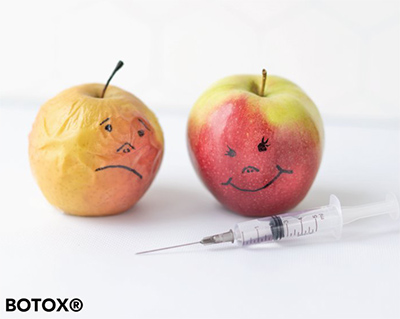
First 20 units @ $12/unit
Regular price @ $15/unit
Get The Skin
You've Always Wanted!
First 20 units @ $12/unit
Regular price @ $15/unit
Get The Skin
You've Always Wanted!

After a crown visit, avoid chewing on the crown for 24 to 48 hours. It is common to experience some soreness in the gums directly surrounding the tooth or around the local anesthetic injection site. Taking up to 800 mg of ibuprofen Advil or 500mg of Tylenol every 6-8 hours, as needed, can help with the discomfort. Rinsing with warm water and salt rinses (one teaspoon of salt per cup of water) will help with sore gums. Some sensitivity to cold, hot and biting is common and usually subsides within the first two weeks. Sensitivity to biting and temperature can indicate that the crown may be hitting too hard in certain chewing motions and may need to be adjusted. Please call the doctor if you feel you need the bite adjusted or if you experience sensitivity that lasts more than a month. Sensitivity that lasts longer than three months is an indication that root canal therapy may be needed.
Crowns are recommended after failing extensive restoration, large caries lesion (aka “cavity”) or fractures of the tooth structure. Sometimes teeth become symptomatic after your dentist prepares them for a crown due to pre-existing factors, but the necessary procedure involves grinding the tooth which is inherently a slight trauma to the tooth. These symptoms tend to be temporary as the nerves inside of most teeth can repair themselves, just like when you bruise your knee after bumping it, but some teeth are unable to repair themselves and may require additional treatment such as root canal therapy. Dr. Romero will discuss these risk factors with you to the best of her ability to inform you of any risks of your particular tooth/teeth.